Introduction
Molecular biology has evolved from basic DNA discovery into a powerful field shaping modern science and technology. Today, it not only explains how life works at a molecular level but also enables innovations that influence research, agriculture, and biotechnology. Understanding molecular biology helps learners grasp how genetic information drives biological processes and how modern tools are expanding our capabilities.
DNA: The Core of Biological Information
DNA is the molecule that stores genetic instructions. Structured as a double helix, it contains sequences of nucleotides that encode biological traits. Every cell carries DNA, making it the central blueprint of life. Modern research focuses on decoding these sequences to better understand how organisms function.
RNA and Protein Synthesis
RNA acts as an intermediary between DNA and proteins. Through transcription, DNA is converted into RNA, which is then translated into proteins. These proteins carry out essential tasks such as structural support and biochemical reactions.
Advances in Molecular Biology
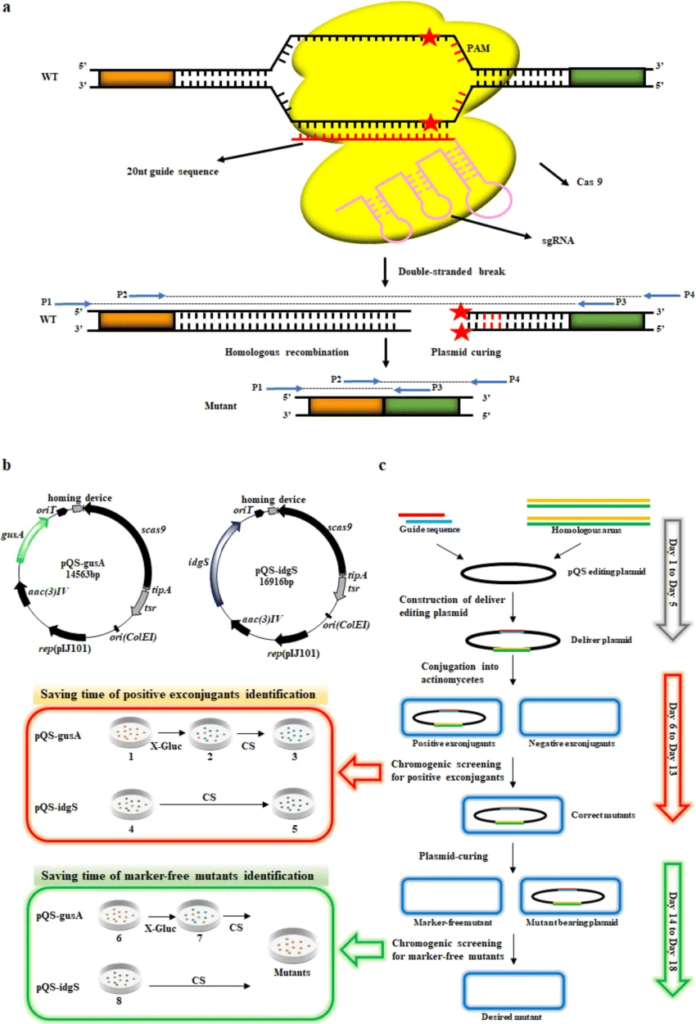
Modern molecular biology includes advanced techniques like gene editing and sequencing. Tools such as CRISPR allow scientists to modify DNA sequences with precision. While these technologies are used mainly in research, they demonstrate how far molecular biology has progressed.
Applications
- Biotechnology research
- Agricultural improvement
- Scientific studies
Importance
Understanding molecular biology helps build a foundation for advanced scientific learning. It connects biology with chemistry and technology.
Conclusion
Molecular biology continues to expand our understanding of life. From DNA structure to modern innovations, it plays a vital role in shaping the future of science.