Introduction
Genetics is the study of how traits are inherited and how genetic information is passed from one generation to another. In the modern era, genetics has expanded beyond simple inheritance patterns to include genome analysis, sequencing technologies, and advanced research methods. It plays a key role in understanding biological diversity and how organisms function at a fundamental level.
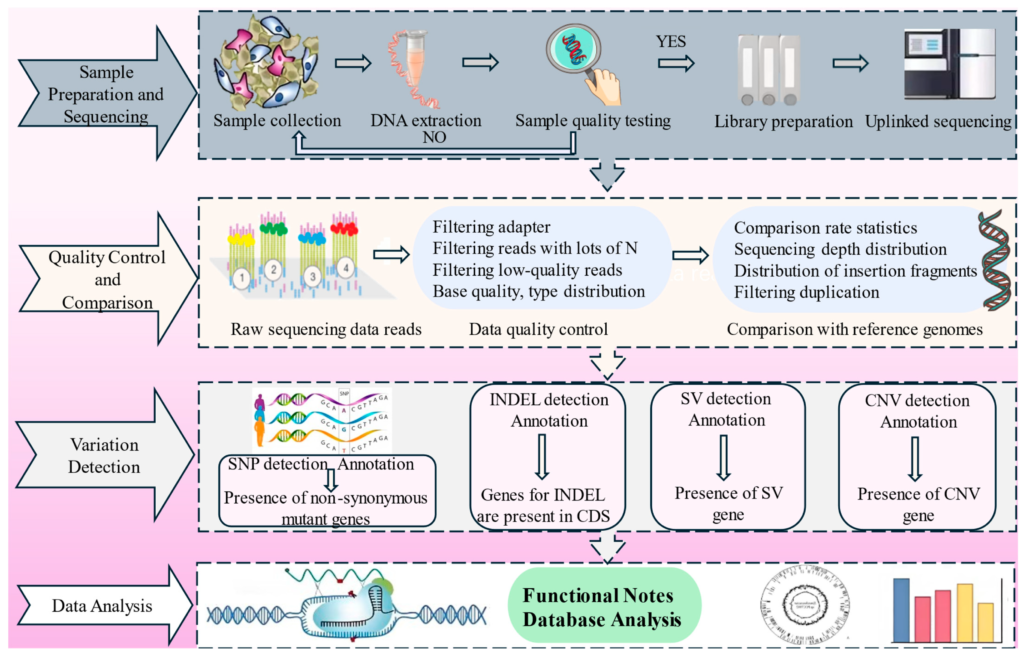
The Basics of Genetics
At the core of genetics are genes—units of heredity made up of DNA. These genes are organized into chromosomes, which are located in the nucleus of cells. Each organism carries a unique genetic code that determines its characteristics.
DNA and Chromosomes
DNA is structured as a double helix and contains sequences that encode biological information. Chromosomes package DNA into organized structures, making it easier for cells to manage genetic material during division.
Modern Genetic Research
Modern genetics focuses on analyzing entire genomes. Genome sequencing technologies allow scientists to study genetic variations and understand how different genes interact.
Genetic Information Flow
Genetic information follows a structured flow:
- DNA stores information
- RNA transfers information
- Proteins carry out functions
Importance of Genetics
Genetics helps explain how organisms grow, develop, and adapt. It also contributes to research in agriculture, biology, and biotechnology.
Conclusion
Genetics continues to evolve as a field, providing deeper insights into the complexity of life and the mechanisms behind inheritance.