Introduction
Genetic variation is the reason individuals differ from one another, even within the same species. It plays a central role in evolution and adaptation, allowing populations to respond to environmental changes.
What is Genetic Variation?
Genetic variation refers to differences in DNA sequences among individuals. These differences can influence traits such as appearance and behavior.
Sources of Variation
1. Mutation
Changes in DNA sequences that introduce new variations.
2. Recombination
Occurs during reproduction, mixing genetic material.
3. Independent Assortment
Different combinations of genes are passed on to offspring.
Inheritance Patterns
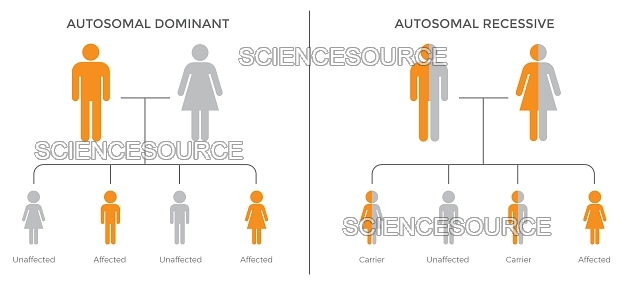
Dominant and Recessive Traits
Dominant traits are more likely to appear, while recessive traits may only show under certain conditions.
Polygenic Traits
Traits influenced by multiple genes.
Tools for Understanding Inheritance
The Punnett square is a simple method used to predict possible genetic outcomes based on parental traits.
Importance
Genetic variation ensures diversity within populations, which is essential for adaptation and survival.
Conclusion
Understanding variation and inheritance helps explain the uniqueness of individuals and the diversity of life.