Introduction
Gene expression is the process through which genetic information is converted into functional products, such as proteins. It is essential for determining how cells function and respond to their environment.
The Central Dogma
The central dogma explains the flow of genetic information:
DNA → RNA → Protein
This process connects genetic instructions with biological activity.
Transcription
During transcription, DNA is copied into RNA. This occurs in the nucleus and ensures that genetic information can be transported within the cell.
Translation
RNA is translated into proteins at ribosomes. These proteins perform various functions within the cell.
Gene Regulation
Cells regulate gene expression to ensure that proteins are produced only when needed. This regulation allows cells to adapt to changing conditions.
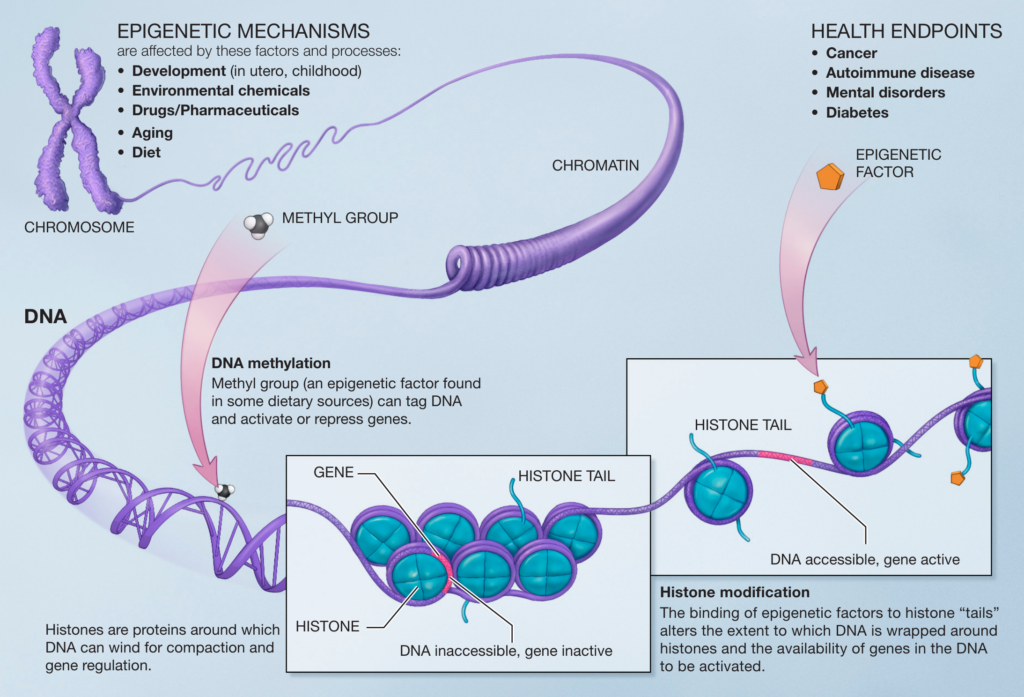
Epigenetics (Modern Perspective)
Epigenetics studies how gene expression can be influenced without altering DNA sequences. It highlights the complexity of genetic control mechanisms.
Importance
Gene expression determines cellular function, development, and response to environmental changes.
Conclusion
Gene expression and regulation are central to understanding how genetic information shapes biological processes.