Introduction
Biochemistry explains how chemical processes support life at the molecular level. Every living cell depends on a network of reactions that build, break down, and transform molecules. Modern biochemistry combines classical chemistry with advanced analytical tools to explore how biomolecules interact, how energy flows through systems, and how cellular environments remain stable.
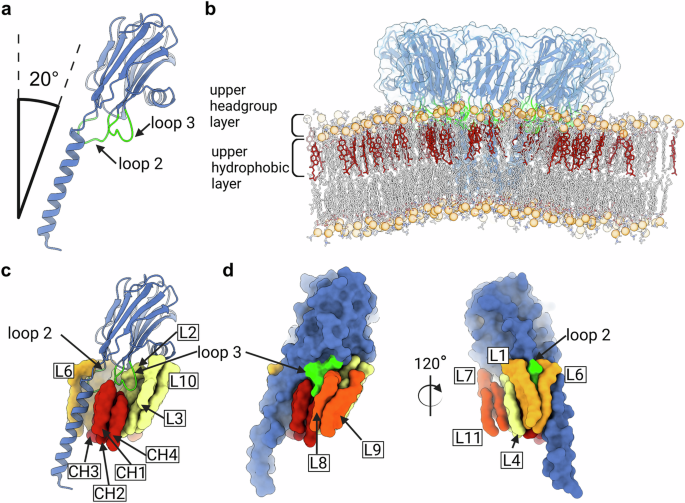
Biomolecules: The Core Components
Life depends on four major classes of biomolecules:
Proteins – Built from amino acids, proteins act as enzymes, structural components, and regulators. Their 3D structure determines function, making folding and stability critical.
Carbohydrates – Provide immediate and stored energy. Complex carbohydrates also play roles in cell recognition and structural support.
Lipids – Essential for membranes and long-term energy storage. Phospholipids form the bilayer that defines cell boundaries.
Nucleic Acids – DNA and RNA store and transmit genetic information, linking biochemistry with molecular biology.
Chemical Reactions in Cells
Cells host thousands of reactions simultaneously. These reactions are organized into pathways, where the product of one step becomes the substrate for the next. This organization ensures efficiency and regulation.
Enzymatic Control
Enzymes lower activation energy and speed up reactions. They are highly specific, binding only certain substrates and functioning optimally under particular conditions.
Modern Techniques
Biochemistry today uses tools like spectroscopy and chromatography to study molecules. These methods allow scientists to analyze structure, concentration, and interaction patterns.
Importance
Understanding biochemical processes helps explain how cells function, adapt, and maintain balance.
Conclusion
Biochemistry provides a detailed view of life at the molecular level, revealing how chemical interactions sustain living systems.