Introduction
Enzymes are the driving force behind nearly all biochemical reactions. Without enzymes, most cellular processes would occur too slowly to sustain life. Modern research highlights how enzymes function, adapt, and regulate biological systems.
What Are Enzymes?
Enzymes are specialized proteins that catalyze chemical reactions. Each enzyme is designed to interact with a specific substrate, ensuring precision and efficiency.
How Enzymes Work
The enzyme binds to its substrate at an active site, forming an enzyme-substrate complex. This interaction lowers the activation energy required for the reaction, allowing it to proceed more quickly.
Factors Affecting Enzyme Activity
- Temperature: Influences molecular movement
- pH: Affects enzyme structure
- Substrate concentration: Impacts reaction rate
Types of Enzymes
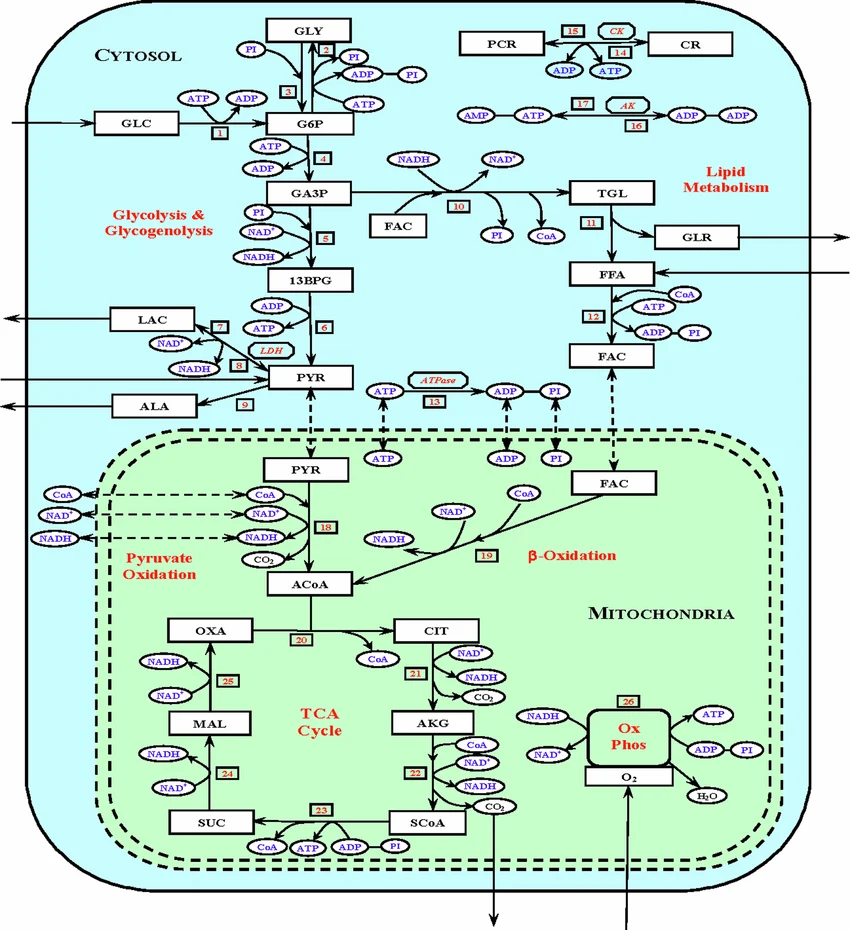
- Metabolic enzymes
- Digestive enzymes
- Regulatory enzymes
Regulation of Enzymes
Cells regulate enzyme activity to maintain balance. This ensures that reactions occur only when needed and at appropriate rates.
Modern Applications
Enzyme studies are widely used in biotechnology, food processing, and research.
Conclusion
Enzymes are essential for life, enabling biochemical reactions to occur efficiently and in a controlled manner.