Introduction
Human physiology explores how the body functions as an integrated system. Rather than studying organs in isolation, modern physiology emphasizes how systems interact to maintain stability and support life. From breathing to movement, every process depends on coordination between multiple systems.
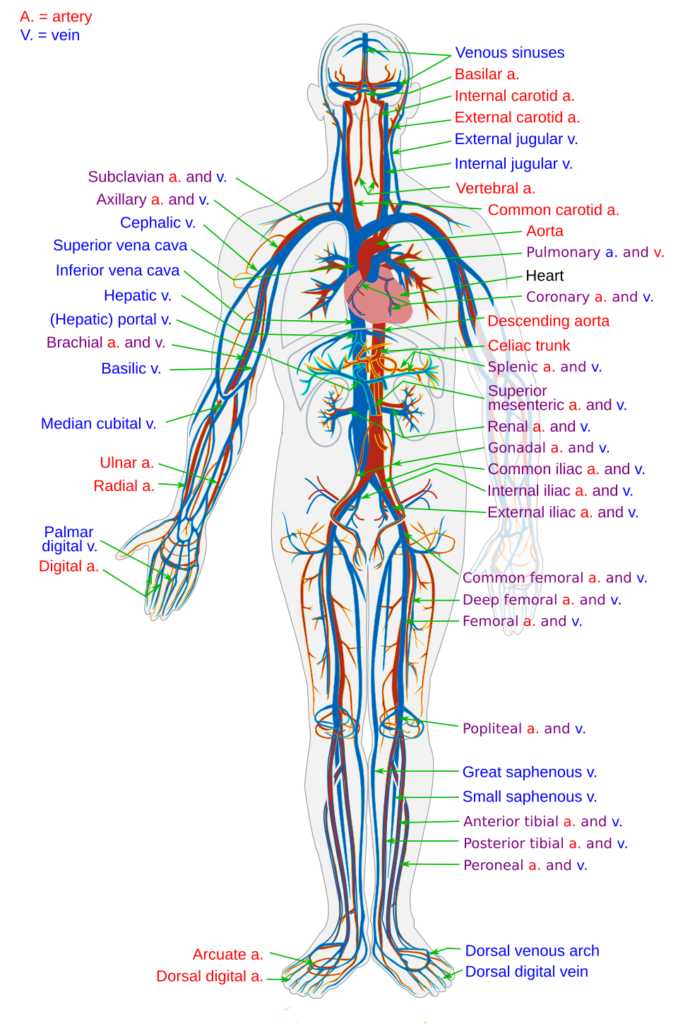
The Human Body as an Integrated System
The human body is made up of interconnected systems that work together to maintain balance. These systems include:
- Circulatory system
- Respiratory system
- Digestive system
- Nervous system
- Musculoskeletal system
Each system performs specialized functions while contributing to overall body function.
Circulatory System
The circulatory system transports oxygen, nutrients, and waste products throughout the body. The heart acts as a pump, while blood vessels form a network for distribution.
Respiratory System
This system enables gas exchange, allowing oxygen to enter the body and carbon dioxide to be removed.
Digestive System
The digestive system breaks down food into nutrients, which are absorbed and used for energy and growth.
Nervous System
The nervous system controls and coordinates body activities through electrical signals. It enables communication between different parts of the body.
Coordination Between Systems
Modern physiology highlights how systems depend on each other. For example, the circulatory and respiratory systems work together to deliver oxygen efficiently.
Importance
Understanding physiology helps explain how the body maintains normal function and adapts to changes.
Conclusion
Human physiology provides a comprehensive view of how the body operates as a unified system, ensuring survival and efficiency.