Introduction
Metabolism refers to all chemical reactions that occur within a living organism. These reactions are essential for maintaining life, supporting growth, and enabling cellular function.
Two Types of Metabolism
Catabolism
Breaks down molecules to release energy. This process provides the fuel needed for cellular activities.
Anabolism
Builds complex molecules using energy. This supports growth and repair.
ATP: The Energy Currency
ATP (adenosine triphosphate) stores and transfers energy within cells. It powers processes such as movement, synthesis, and transport.
Cellular Respiration
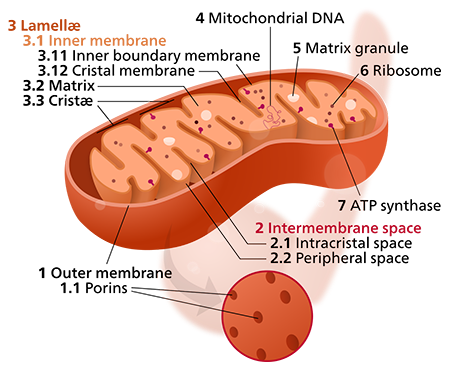
Cells generate ATP through cellular respiration, a process that converts nutrients into usable energy. This occurs primarily in the mitochondria.
Metabolic Pathways
Metabolism is organized into pathways such as glycolysis and other energy-producing cycles. These pathways ensure efficient energy production.
Balance and Regulation
Cells maintain a balance between energy production and usage. This regulation ensures stability and prevents waste.
Importance
Metabolism supports all aspects of life, from cellular activity to overall organism function.
Conclusion
Understanding metabolism provides insight into how energy flows through living systems, making it a central concept in biochemistry.