Introduction
Proteins are essential molecules responsible for nearly all cellular activities. They are produced through gene expression and perform a wide range of functions.
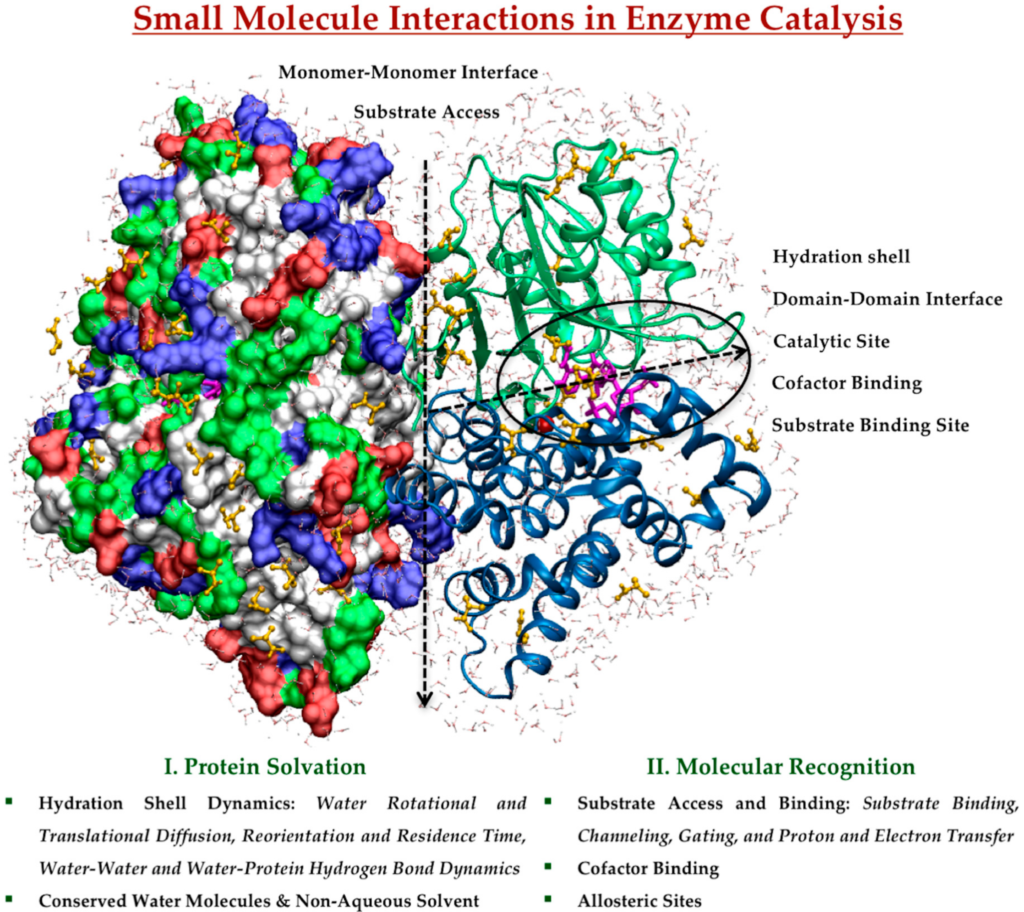
Structure of Proteins
Proteins are made of amino acids arranged in specific sequences. Their structure determines their function.
Functions
- Enzymatic activity
- Structural support
- Transport
- Regulation
Molecular Interactions
Proteins interact with other molecules to carry out biological processes. These interactions are crucial for maintaining cellular function.
Modern Applications
Protein research plays a key role in biotechnology and scientific studies.
Conclusion
Proteins are central to life processes, linking genetic information to functional activity.